Neurosurgery & Neurology Hospitals In India
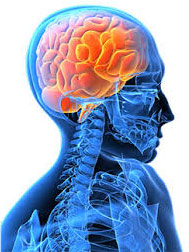 The Neurology and Neurosurgery Centers of Excellence at Hospitals in India, are headed by world-renowned consultants backed by outstanding clinical staff and sophisticated equipment. The hospitals investigate and treat diseases affecting the brain, spinal cord, muscles and nerves. The extremely competent neurologists and neurosurgeons provide expert care for treatment of brain tumors, epilepsy, multiple sclerosis, movement disorders, vestibular diseases, stroke and headaches.
Highlights of our partner Neurosurgery and Neurology hospitals in India
Has Asia's largest sleep lab (polysomnography) Uses the most advanced diagnostic techniques including LINAC, Single Photon Emmission Computed Tomography (SPECT), Digital Subtraction Angiography (DSA) to name a few Performs minimally invasive procedures for the treatment of vascular diseases.
Don’t waste your time to search best neurologist in India because we provides you good neurology clinic India that is famous in India and give you offer on their packages. Neurosurgery hospital India fallen their rate and now their treatment is in very low price.
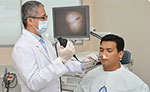
Neurological Disorders treatment at Neurology & Neurosurgery hospitals in India
Some common disorders treated at the Centres of Neurology and Neurosurgery at our partner hospitals in India include : -
- Headache, Migraine
- Speech & Swallowing disorders
- Epilepsy
- Walking or Balancing Difficulty
- Dizziness
- Visual disturbances
- Loss of consciousness
- Tingling or numbness
- Weakness & paralysis
- Bladder control
- Sleep disturbances
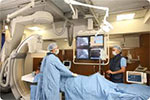
The Neurology & Neurosurgery hospitals in India are backed by all facilities such as : -
- Neurophysiology lab (EMG, NCV, EEG, Evoked Potentials)
- Neuroradiology
- Computed Tomography (CT)
- Magnetic Resonance Imaging (MRI)
- Digital Subtraction Angiography (DSA)
- Extracranial and Intracranial Vascular Doppler
- Single Photon Emmission Computed Tomography (SPECT)
- Interventional Neuroradiology
- Neuropathological Backup
Stereotactic Radio Surgery at Neurosurgery hospitals in India
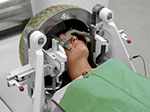 Stereotactic Radiosurgery (SRS) treats brain disorders with a precise delivery of a single, high dose of radiation in a single-day session. Focused radiation beams are delivered to a specific area of the brain to treat abnormalities, tumors or functional disorders.
 How it Works
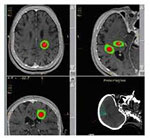 Stereotactic Radiosurgery works the same as all other forms of radiation treatment. It does not remove the tumor or lesion, but it distorts the DNA of the tumor cells. The cells then lose their ability to reproduce and retain fluids. The tumor reduction occurs at the rate of normal growth for the specific tumor cell.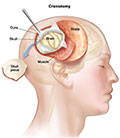
Some of the most common indications for treatment are : -
- Arteriovenous Malformations
- All benign brain tumors including:
- Acoustic Neuromas
- Meningiomas
- Pineal and Pituitary Tumors
- All malignant brain tumors including:
- Glial Tumors and Astrocytomas
- Low grade Tumors
- Metastatic Brain Tumors
- Functional disorders including: Trigeminal Neuralgia ,Essential Tremor, Parkinson's Tremor/Rigidity
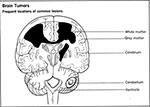
Common Neurosurgeries at Neurology and Neurosurgery hospitals in India include : -
- Percutaneous Endoscopic Lumbar Discectomy (PELD)
- Spinal fusion and decompression
- Micro-Discectomy
- Decompressive Laminectomy
- Laser Spine Surgery
- Revision surgery for lumbar and cervical disc disease
- Surgery for Spine Tumors
- Craniotomy
- Trans - sphenoid operations
- CSF Shunt procedures
- Stereotactic Surgery
- Deep Brain Stimulation for Parkinsons
- Vagal Nerve Stimulator
- Brachial plexus injuries
- Chronic sub-dual haematoma
- Burr-hole aspiration for abscess
- Peripheral nerve surgery
- Carpal tunnel release
- Radiofrequency rhizotomy
- Tic injections
- Carotid Endarterectomy
Client Review's
Indications
We Care Health Services Hospitals





Copyright © 2009 - 2015 We Care India. All Rights Reserved.
Home | About Us | Site Map | Get a Quote | Disclaimer | Advertise With Us | Contact Us